
Table of Contents
- Nonlinear response of hail precipitation rate to environmental moisture ...
- Stitches and etc.: Hail or Snow, Hail or Snow, I Don't Want To See ...
- The Impact of Hail - Premier Claims
- Pictures of massive hail, funnel clouds flood Twitter following ...
- The meaning and symbolism of the word - «Hail»
- Hail Dent Repair | The Difference Between a Quality or Sub-Par Job
- Ecology Over Economy: Got Hail? Freezing Nucleation Weather Patents and ...
- The Hunt for Big Hail - The New York Times
- Stilton's Place: What the Hail?!
- The Ketelsens!: What The Hail Is This?


What is Hail?
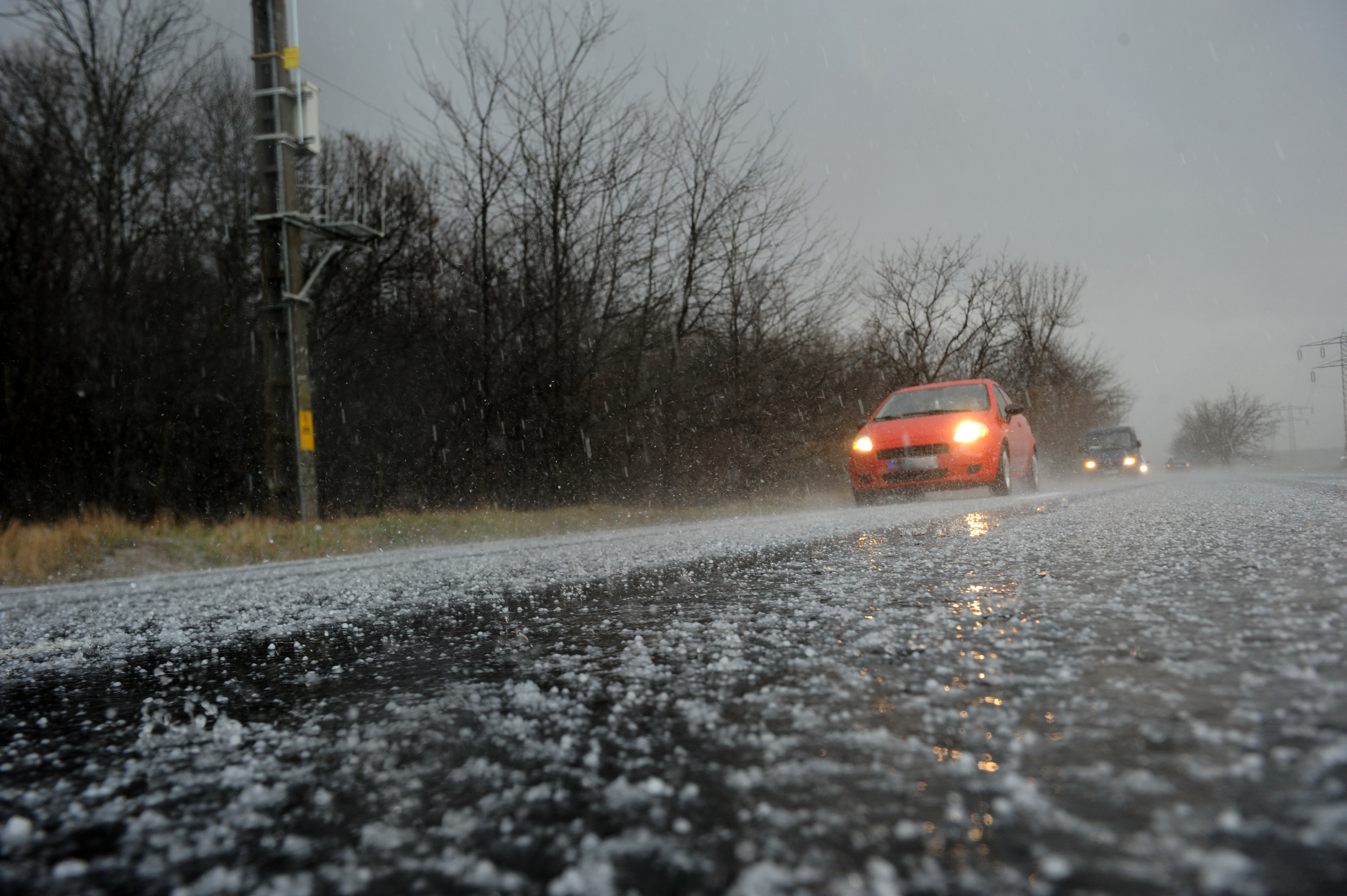


Formation of Hail


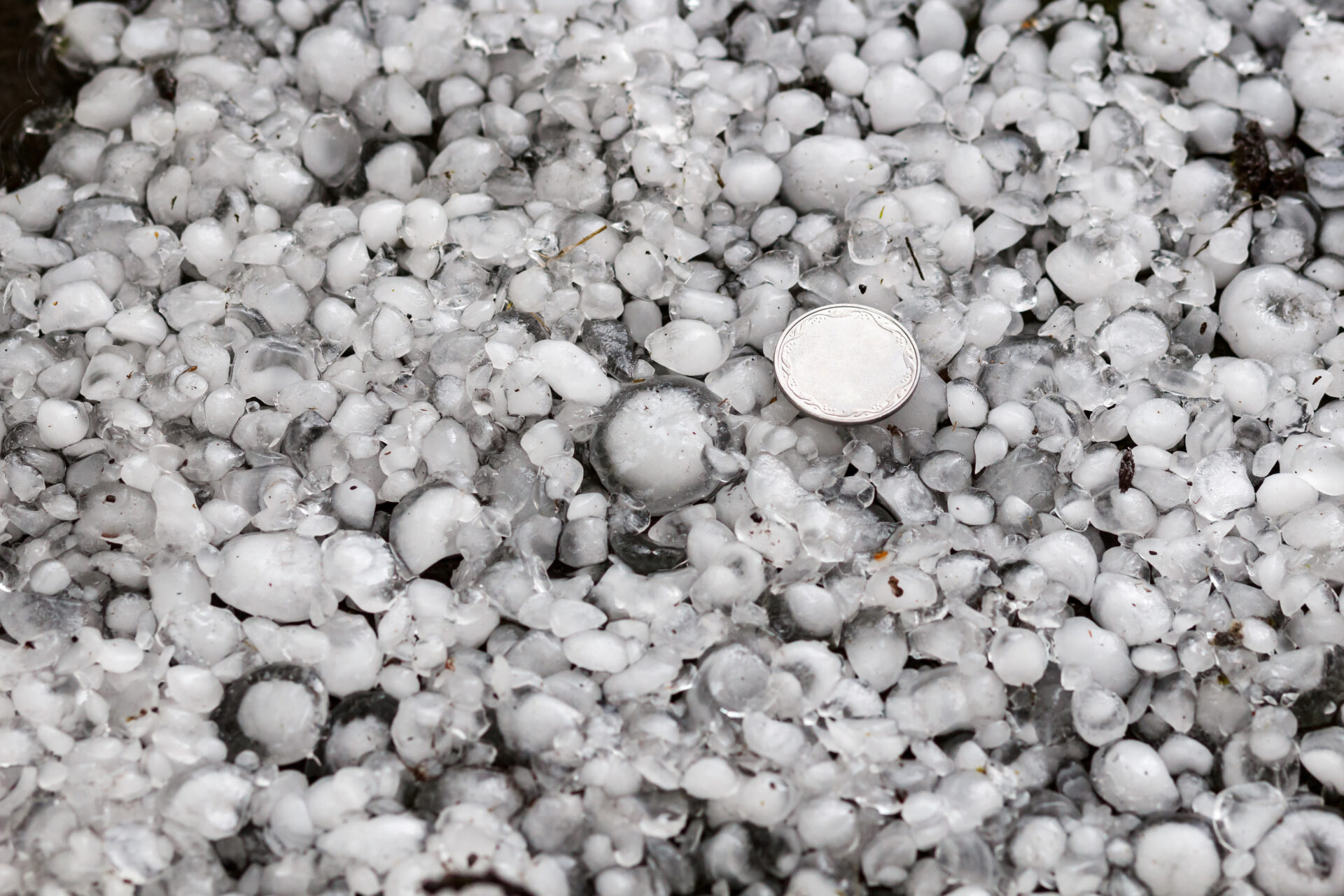
Interesting Facts About Hail
Here are some fascinating facts about hail that you might not know: Largest Hailstone: The largest hailstone ever recorded was 8 inches (20.3 cm) in diameter and weighed 1.9 pounds (0.9 kg). Hail Storms: Hail storms can occur anywhere in the world, but they are most common in areas with frequent thunderstorms, such as the Great Plains in the United States. Damage from Hail: Hail can cause significant damage to crops, buildings, and vehicles, resulting in millions of dollars in losses each year. Hail in History: Hail has been recorded in history as far back as ancient civilizations, with references to hail storms in the Bible and other ancient texts. Hail is a fascinating and complex weather phenomenon that continues to capture the imagination of scientists and the general public alike. By understanding the definition, formation, and interesting facts about hail, we can better appreciate the power and beauty of nature. Whether you're a student working on a science project or simply a curious learner, we hope this article has provided you with a comprehensive overview of hail and its significance in the world of meteorology.For more information and resources on hail and other weather-related topics, be sure to check out our science notes and projects section. Happy learning!